TMJ Disorders
TMJ Physiotherapy in Coquitlam
Jaw clicking, locking or aching? Work one-on-one with Marissa Hutton, MPT, a physiotherapist with fellowship training in temporomandibular disorders (TMD).
When Your Jaw Starts Running Your Day
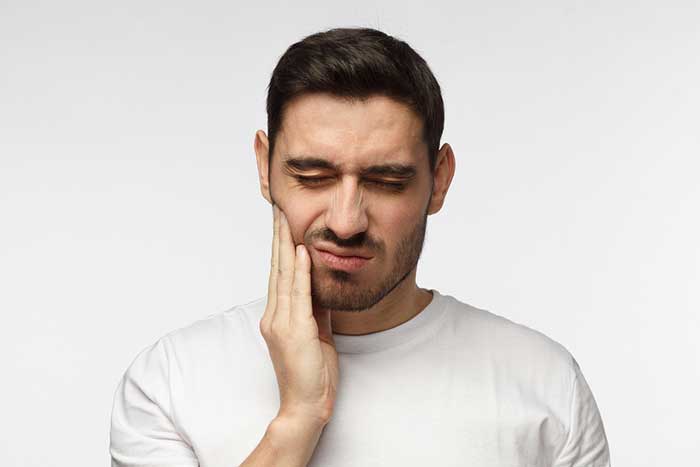
It might start as a click when you yawn. Then your jaw feels tight when you wake up, chewing a bagel takes real effort, and a headache shows up by mid-afternoon. Some days your jaw catches, so you open your mouth carefully, just in case.
Maybe your dentist mentioned you grind your teeth at night. You may have tried a night guard, heat packs or softer food and found the pain keeps coming back. Plenty of people notice their jaw gets worse during stressful stretches, when clenching becomes a habit they don’t even notice.
At Core Kinesis Physiotherapy in Coquitlam, TMJ physiotherapy is led by Marissa Hutton, MPT, who completed a Fellowship in Temporomandibular Disorders. Marissa has had dental and jaw issues herself, so she knows how a sore jaw can affect eating, talking, sleep and focus. Your first visit is about finding out what’s driving your symptoms and giving you a clear plan to work on them.
Why Your Jaw Clicks, Locks and Aches
Your temporomandibular joints (TMJs) sit just in front of your ears and connect your lower jaw to your skull. You use them every time you talk, chew, swallow or yawn. A temporomandibular disorder, or TMD, is the umbrella term for pain or dysfunction in these joints and the muscles that move them.
TMD usually comes from a mix of factors. Clenching or grinding, stress, neck tension and posture all play a part, as can an old injury such as a fall or car accident, or changes in the joint itself. Common signs include jaw pain, clicking or popping, a jaw that locks or catches, limited opening, headaches and pain around the ear or temple.
Your jaw, neck and head work as a unit, so a physiotherapy assessment looks at all three. If anything suggests you also need to see your dentist or physician, we’ll let you know and recommend next steps.
Meet Marissa Hutton, Your TMJ Physiotherapist
Marissa earned her BSc in Kinesiology and her Master of Physical Therapy at UBC. She has since completed fellowship training in both Temporomandibular Disorders and Facial Palsy, which makes the jaw, face and head a central part of her practice. She also holds Orthopaedic Division Manual Therapy Level 1 and is certified in AN-IMS dry needling.
What that training means for your care:
- Hands-on manual therapy for the jaw joint, chewing muscles and neck, guided by her TMD fellowship
- Dry needling (IMS) for tight, overactive jaw and neck muscles, when it suits your plan
- A whole-person approach that considers sleep, stress and daily habits as well as the joint itself
If your jaw symptoms come with facial weakness, Marissa can assess both. Learn more about our physiotherapy for facial palsy or read Marissa’s full profile.
What to Expect at Your TMJ Appointments
| A Thorough First Assessment | Marissa starts with your history, then checks how your jaw opens, closes and moves side to side, along with your neck and posture. |
| Hands-On Treatment | Sessions may include manual therapy, dry needling and gentle jaw exercises, each explained so you know why it’s part of your plan. |
| A Plan You Can Use at Home | You’ll leave with simple exercises and habit changes for clenching, sleep and screen time, and your plan is adjusted as you progress. |
What Feeling Better Can Look Like
Every jaw is different, and recovery timelines vary from person to person. With a plan built around your symptoms, many people work toward:
- Eating more comfortably, including foods they had started to avoid
- Fewer tension headaches and less aching around the ear and temple
- Waking up without a tight, tired jaw and getting through a full workday of talking with less discomfort
You’ll also learn what sets your jaw off, which makes a flare-up easier to manage if one comes back.
TMJ Physiotherapy Questions, Answered
Can Physiotherapy Help TMJ Pain?
Yes. Physiotherapy is a common conservative option for many temporomandibular disorders. Treatment works on the muscles, joint movement and habits that load your jaw. If your assessment suggests you also need a dentist or physician, Marissa will tell you.
Do I Need a Referral for TMJ Physiotherapy in BC?
No, you can book directly with a physiotherapist in BC. Some extended health plans ask for a doctor’s note before they reimburse, so check your plan first.
Is TMJ Physiotherapy Covered by Insurance?
Many extended health plans cover physiotherapy, and we direct bill to insurers including Pacific Blue Cross. If your jaw pain started after a car accident, we also work with ICBC claims. Current rates are on our pricing page.
Should I Use a Night Guard Instead of Physiotherapy?
The two often work well together. A night guard from your dentist protects your teeth from grinding. Physiotherapy addresses the muscle tension, jaw movement and clenching habits behind it.
What Should I Avoid During a TMJ Flare-Up?
Go easy on your jaw for a few days. Choose softer foods, skip gum, avoid very wide yawns and big bites, and use heat or ice for comfort. If your jaw locks and won’t open or close, contact a healthcare provider promptly.
Get Back to Eating, Talking and Sleeping Comfortably
TMJ physiotherapy with Marissa Hutton at Core Kinesis Physiotherapy in Coquitlam
Your jaw works all day long. If it has been clicking, locking or aching, a one-on-one assessment is a practical first step. Book online with Marissa at our Lansdowne Drive clinic, open Monday to Friday from 7am to 8pm.
Visit Us in Coquitlam
Core Kinesis Physiotherapy
403 – 1194 Lansdowne Drive
Coquitlam, BC V3E 1J7
(604) 475-7725
A short drive from Port Moody, Port Coquitlam and Burnaby
Our Story
Our name exemplifies the services we provide. CORE can be interpreted as your brain, body and who we surround ourselves with. KINESIS is the study of movement.
We strive to be an integral part of the community providing services to all family members regardless of age.Â
Our Core Values are:
EMPOWER: educate with the knowledge to understand the body, making informed decisions for habit and lifestyle changes.
GROW: Take the knowledge to maximize positive growth in the body, mind and spirit.
EVOLVE: Don’t ever stop listening and adapt as needs demand.
Evolve
Empower.Grow.Evolve
Core Kinesis
Clinic H0urs
Monday-Friday: 7am – 8pm
Saturday: Closed
Sunday: Closed